
The Most Unique Festivals Celebrated in Eminönü
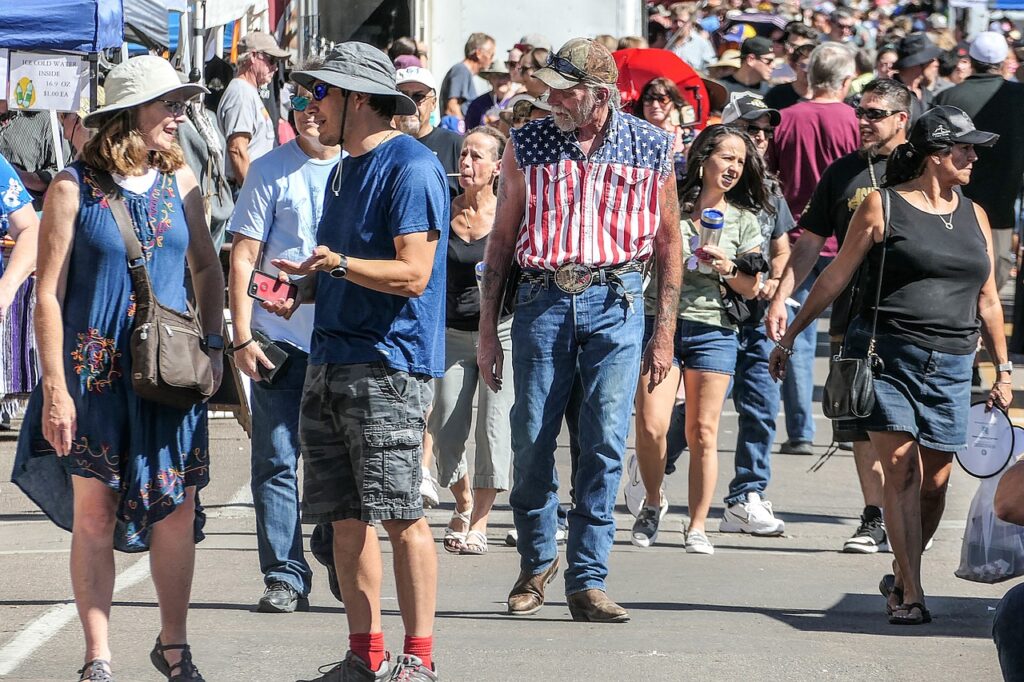
Eminönü, a vibrant district in Istanbul, is not just a hub for commerce and history; it is also a melting pot of unique festivals that celebrate the rich cultural heritage of the area. Each festival is a tapestry woven with threads of tradition, community spirit, and joy, drawing both locals and visitors into a whirlwind of colors, sounds, and flavors. Imagine walking through bustling streets filled with the aroma of traditional foods, the sounds of laughter, and the sight of vibrant costumes—this is the essence of festivals in Eminönü.
One of the most notable festivals is the Eminönü Food Festival, which showcases the district’s culinary delights. Here, you can sample everything from street food to gourmet dishes. Vendors set up stalls offering delectable treats like balık ekmek (fish sandwiches) and kumpir (stuffed baked potatoes), creating an atmosphere that is both festive and mouth-watering. This festival not only highlights the local cuisine but also serves as a platform for chefs to showcase their culinary skills, fostering a sense of pride in the community.
Another remarkable celebration is the Spring Festival, which marks the arrival of warmer weather. This festival is a celebration of renewal and life, featuring activities such as traditional music performances, dance shows, and art exhibitions. The streets transform into a vibrant gallery where local artists display their work, making art accessible to everyone. The community comes together to participate in various workshops, learning traditional crafts that have been passed down through generations. It’s a beautiful reminder of how culture can be preserved and celebrated.
The Historical Heritage Festival is another gem that shines brightly in Eminönü. This festival takes visitors on a journey through time, showcasing the rich history of the area. From reenactments of historical events to storytelling sessions that captivate the imagination, this festival is an educational experience wrapped in fun. Participants can engage in traditional games and crafts, making history come alive in a way that is both entertaining and informative.
Festivals in Eminönü are not just about fun and entertainment; they also play a significant role in the local economy. The influx of tourists during these events boosts local businesses, from restaurants to souvenir shops. A recent study showed that festivals can increase foot traffic by up to 40%, providing a much-needed economic boost to the community. Local artisans and vendors get a chance to showcase their products, creating a vibrant marketplace that thrives on the spirit of celebration.
As we look toward the future, the festivals in Eminönü are evolving. Organizers are keen on preserving traditional elements while embracing modern influences. This balance ensures that festivals remain relevant and engaging for younger generations. For instance, the integration of technology, such as social media campaigns and interactive apps, is making it easier for people to participate and engage with the festivities. The future of these celebrations looks bright, promising to continue the legacy of joy and cultural richness that defines Eminönü.
Historical Significance of Festivals
Eminönü’s festivals are not just events; they are living narratives that echo the rich history and cultural heritage of the region. These celebrations have evolved over centuries, influenced by various cultures and traditions that have passed through this vibrant area. From the bustling streets of the Ottoman Empire to the modern-day gatherings, each festival tells a story of resilience, community, and joy.
Historically, festivals in Eminönü served as a way to mark significant events, whether they were religious, agricultural, or seasonal. For instance, the Ramazan Festival (Eid al-Fitr) is celebrated at the end of Ramadan, symbolizing the end of fasting and the importance of community and charity. This festival has deep roots in Islamic tradition and is a time when families come together, share meals, and engage in acts of kindness. It’s not just a celebration; it’s a reaffirmation of faith and unity.
Another notable festival is the Hıdırellez Festival, which marks the arrival of spring. This celebration is steeped in ancient customs and rituals, believed to bring good fortune and prosperity. People gather in parks, light bonfires, and perform traditional dances, creating a vibrant atmosphere filled with laughter and hope. The origins of Hıdırellez can be traced back to pre-Islamic times, showcasing how festivals can transcend eras and adapt to changing societal values.
In addition to religious significance, these festivals play a crucial role in preserving the local culture. They provide a platform for showcasing traditional music, dance, and crafts that have been passed down through generations. For example, during the Traditional Turkish Music Festival, local musicians perform folk songs that reflect the region’s history and experiences, allowing attendees to connect with their roots.
Moreover, the historical significance of these festivals can also be seen in the way they foster community spirit. They bring together people from diverse backgrounds, creating a sense of belonging and shared identity. In a world that often feels divided, festivals in Eminönü act as a reminder of our shared humanity. They provide an opportunity for individuals to come together, celebrate their differences, and embrace the beauty of their shared culture.
In summary, the festivals of Eminönü are a tapestry woven with threads of history, culture, and community. They not only celebrate the past but also pave the way for future generations to carry on these cherished traditions. As we look to the future, it is essential to recognize the importance of these celebrations in maintaining the cultural fabric of the region. They are a testament to the enduring spirit of the people of Eminönü, a place where history and modernity beautifully collide.

Traditional Activities and Customs
The festivals of Eminönü are not just events; they are vibrant tapestries of tradition and community spirit. Each celebration is a unique blend of activities that engage both locals and visitors, creating an atmosphere buzzing with excitement. Imagine the air filled with the aroma of delicious street food, the sound of traditional music echoing through the streets, and the sight of colorful decorations adorning every corner. These festivals are a feast for the senses!
One of the most cherished customs during these festivals is the sharing of traditional foods. Each festival features a variety of local delicacies, from savory dishes to sweet treats. For instance, during the Ramazan Festival, you can find vendors selling pide (a type of Turkish flatbread), baklava (a rich pastry), and a variety of sweets that are simply irresistible. The act of sharing food not only nourishes the body but also strengthens the bonds between friends and family, fostering a sense of unity among participants.
Moreover, traditional music and dance play a pivotal role in these celebrations. Local musicians often set up their instruments in public squares, inviting everyone to join in the festivities. The enchanting sounds of the oud and ney transport listeners to a different era, while traditional dances bring people together in joyous celebration. It’s common to see families and friends forming circles, encouraging everyone to participate, regardless of age or skill level. This inclusivity is what makes the festivals in Eminönü so special.
Another fascinating aspect of these festivals is the parade of costumes. Participants often dress in traditional attire, showcasing the rich cultural heritage of the region. This is not just about looking good; it’s a way of honoring their ancestors and preserving their history. The costumes vary from festival to festival, often reflecting the specific cultural influences of the time. For instance, during the Hıdırellez Festival, you might see vibrant colors and intricate patterns that symbolize nature’s rebirth in spring.
In addition to food, music, and costumes, many festivals include artistic performances such as theater and storytelling. These performances often depict historical events or local legends, allowing the audience to connect with their cultural roots. The storytelling sessions are particularly engaging, as they invite audience participation, making everyone feel like part of the narrative. This interactive approach not only entertains but also educates, ensuring that the younger generations appreciate their heritage.
To sum it up, the traditional activities and customs of Eminönü’s festivals are a celebration of life, culture, and community. They provide a platform for people to come together, share experiences, and create lasting memories. Whether it’s through food, music, dance, or storytelling, each festival offers a unique glimpse into the heart of Eminönü, making it a must-visit destination for anyone seeking to experience the warmth and vibrancy of Turkish culture.
Influence on Local Economy
The festivals celebrated in Eminönü are not just vibrant displays of culture; they are also vital catalysts for the local economy. Imagine a bustling marketplace filled with the sounds of laughter, music, and the tantalizing aroma of street food wafting through the air. This is the reality during festival times, as both locals and tourists flock to the area, eager to experience the unique offerings. These events create a significant influx of visitors, which translates into increased revenue for local businesses, from small vendors to established shops.
During festivals, the streets of Eminönü transform into a lively hub of activity. Merchants set up stalls, showcasing traditional crafts, delicious local cuisine, and souvenirs that reflect the rich heritage of the region. This surge in commerce not only benefits the vendors but also creates job opportunities for many residents. For instance, temporary positions in hospitality, event management, and logistics spring up to accommodate the needs of the festival crowd.
Moreover, the economic impact extends beyond the immediate sales generated during the festivals. The increased foot traffic encourages local businesses to invest in their establishments, enhancing their offerings and improving customer experiences year-round. This ripple effect can be seen in various sectors, including:
- Hospitality: Hotels and guesthouses often see a spike in bookings, leading to better occupancy rates and improved service quality.
- Food and Beverage: Restaurants and cafes thrive as they cater to the diverse tastes of festival-goers, often introducing special menus that highlight seasonal ingredients.
- Transportation: Local transport services, including taxis and public transit, benefit from the heightened demand, leading to increased revenues.
Furthermore, the festivals serve as a platform for showcasing local talent and artisans, which can lead to long-term partnerships and collaborations. For example, artists who display their work during festivals may find new clients or opportunities for future projects. This not only enriches the cultural landscape but also promotes economic sustainability.
To illustrate the economic impact of these festivals, consider the following table that highlights key statistics from last year’s events in Eminönü:
| Festival | Estimated Visitors | Revenue Generated | Jobs Created |
|---|---|---|---|
| Traditional Food Festival | 20,000 | $500,000 | 150 |
| Cultural Arts Festival | 15,000 | $350,000 | 100 |
| Spring Festival | 25,000 | $700,000 | 200 |
As we can see, the numbers speak for themselves. The festivals not only bring joy and celebration to the community but also play a crucial role in boosting the local economy. They create a cycle of prosperity that benefits everyone involved. As Eminönü continues to host these unique celebrations, the potential for economic growth remains bright, ensuring that the spirit of the community thrives alongside its rich traditions.

Future of Festivals in Eminönü
The future of festivals in Eminönü is a fascinating topic that intertwines tradition with modernity. As we look ahead, it’s clear that these vibrant celebrations will continue to evolve, reflecting both the historical roots of the region and the dynamic changes in society. One of the most exciting prospects is the incorporation of technology into festival experiences. Imagine attending a festival where augmented reality enhances your understanding of cultural exhibits, or where live streaming allows those who can’t attend to participate virtually. This blend of the old and new not only preserves the essence of these celebrations but also opens them up to a broader audience.
Moreover, the demand for sustainability is reshaping how festivals are organized. Organizers are increasingly aware of their environmental impact and are taking steps to ensure that celebrations are eco-friendly. From using biodegradable materials to promoting local food vendors, the focus is shifting towards creating a greener festival experience. This not only appeals to environmentally conscious attendees but also sets a precedent for future events. In fact, many festivals are now implementing sustainability programs that educate participants about reducing waste and supporting local ecosystems.
Another exciting trend is the rise of community involvement. Festivals are no longer just top-down events organized by a few; they are becoming grassroots movements. Local residents are encouraged to participate in planning and executing festivities, ensuring that the events truly reflect the community’s values and interests. This grassroots approach fosters a sense of ownership among locals, making the festivals more meaningful and inclusive. For instance, workshops where community members can share their skills—be it traditional crafts, music, or dance—are becoming increasingly popular.
However, with these advancements come challenges. As festivals grow in popularity, organizers must find a balance between maintaining traditional elements and embracing new ideas. It’s essential to keep the cultural integrity intact while also appealing to younger generations who crave innovation. This might mean reimagining classic events with a modern twist, such as integrating contemporary art installations or interactive performances that resonate with today’s audiences.
In conclusion, the future of festivals in Eminönü looks promising and vibrant. By embracing technology, prioritizing sustainability, and fostering community involvement, these celebrations can thrive in a modern context while honoring their rich heritage. As we move forward, it will be fascinating to see how these elements come together, creating a festival experience that is not only enjoyable but also deeply rooted in the cultural fabric of Eminönü. The journey ahead promises to be as colorful and dynamic as the festivals themselves!