
How Eminönü Became Istanbul’s Cultural Hub
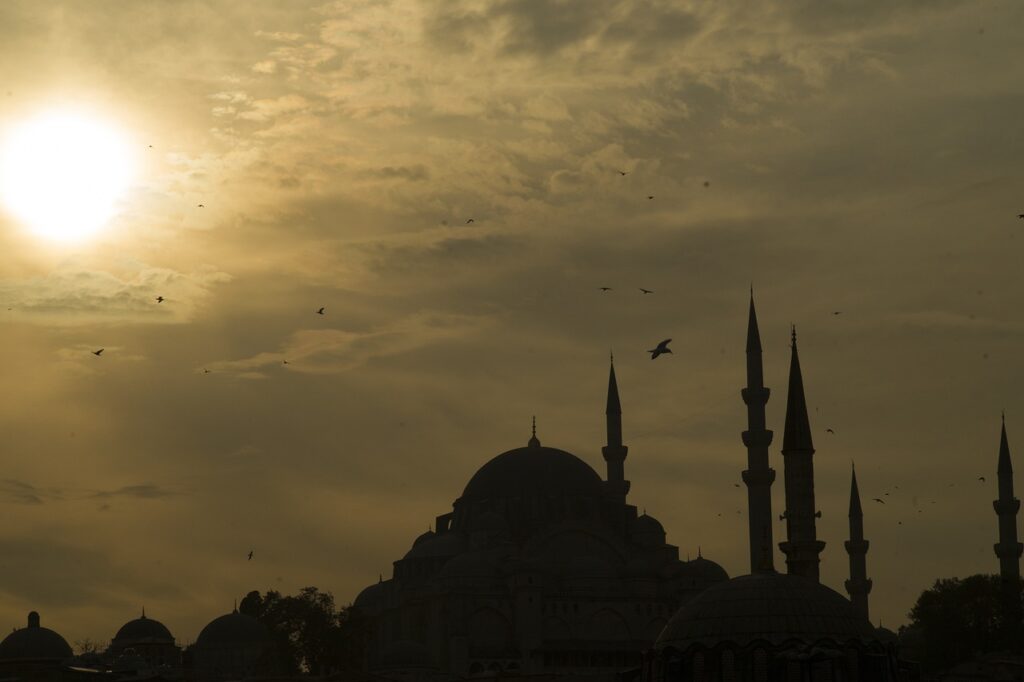
The transformation of Eminönü into a vibrant cultural center is nothing short of fascinating. Nestled at the heart of Istanbul, this district is a tapestry woven from threads of history, architecture, and diverse communities. But how did this bustling area evolve into the cultural hotspot it is today? Let’s take a journey through time and explore the factors that contributed to its unique identity.
Eminönü’s roots run deep, tracing back to the Byzantine and Ottoman empires. It has long served as a crucial trade hub, where merchants from different corners of the world converged to exchange goods and ideas. The Golden Horn, which embraces Eminönü, has been a vital waterway facilitating commerce for centuries. Imagine bustling markets where spices, textiles, and exotic goods were traded, creating a vibrant atmosphere that still resonates today. This historical significance has not only shaped the economy of the area but has also influenced its cultural landscape, making it a melting pot of traditions and practices.
The skyline of Eminönü is adorned with architectural marvels that tell stories of the past. Among them, the Süleymaniye Mosque stands tall, a masterpiece of Ottoman architecture designed by the renowned architect Mimar Sinan. Its grandeur and intricate details attract visitors and locals alike, serving as a reminder of the district’s rich heritage. Another iconic structure is the Egyptian Bazaar, also known as the Spice Bazaar, where the air is filled with the enticing scents of spices and sweets. These landmarks not only define Eminönü’s skyline but also play a significant role in its cultural heritage, drawing tourists and preserving the traditions of Istanbul.
One of the most remarkable aspects of Eminönü is its diversity. The district is home to various communities, each contributing to the vibrant atmosphere that characterizes the area. From the bustling streets filled with street vendors selling kebabs and baklava to the lively conversations in cafés, the influence of different cultures is palpable. This diversity is not just a backdrop; it actively shapes the identity of Eminönü. For instance, the Jewish, Armenian, and Greek communities have left indelible marks on the local culture, from culinary delights to festivals and traditions. The blending of these cultures creates a unique cultural fabric that is both rich and inviting.
In recent years, Eminönü has embraced modernity while cherishing its heritage. New developments, such as art galleries and cultural centers, have sprung up, further solidifying its status as a cultural hub. Events like the Istanbul Biennial and various street festivals celebrate the artistic spirit of the community, attracting artists and visitors from around the globe. These initiatives not only promote local talent but also encourage community engagement, fostering a sense of belonging among residents. Imagine strolling through the streets during a cultural event, where art, music, and food come together, creating an atmosphere of joy and celebration. This fusion of the old and the new is what makes Eminönü a truly captivating place.
In conclusion, Eminönü’s journey to becoming Istanbul’s cultural hub is a testament to its rich history, architectural beauty, and the vibrant communities that call it home. Whether you’re a history buff, an architecture enthusiast, or just someone looking to experience the pulse of Istanbul, Eminönü offers something for everyone. So, the next time you find yourself wandering through its bustling streets, take a moment to appreciate the layers of culture and history that make this district a true gem of Istanbul.
The Historical Significance of Eminönü
Eminönü, a bustling district located at the heart of Istanbul, boasts a history that stretches back centuries, intertwining with the very fabric of the city itself. Once a significant port and trading hub during the Byzantine and Ottoman empires, it served as a gateway for merchants and travelers from around the world. Can you imagine the sights and sounds of bustling bazaars filled with spices, textiles, and exotic goods? This vibrant atmosphere has left an indelible mark on the cultural landscape of Eminönü, shaping it into the lively district we know today.
Historically, Eminönü was not just a point of trade; it was also a melting pot of cultures and ideas. The strategic location along the Golden Horn made it an ideal meeting point for various civilizations. From the Byzantine Greeks to the Ottoman Turks, each group contributed to the rich tapestry of life in Eminönü. The Galata Bridge, for instance, stands as a testament to this cultural exchange, linking the diverse communities that have flourished here over the centuries.
Moreover, Eminönü’s significance can also be traced to its role in the development of Istanbul’s urban landscape. The construction of key infrastructures, such as the New Mosque (Yeni Camii) and the Spice Bazaar (Mısır Çarşısı), not only provided essential services to the local population but also attracted visitors from far and wide. These architectural marvels are more than just buildings; they are symbols of the district’s historical importance. Let’s take a closer look at some of these landmarks:
| Landmark | Year Established | Historical Importance |
|---|---|---|
| New Mosque (Yeni Camii) | 1665 | A key religious site and architectural masterpiece, it reflects the grandeur of Ottoman architecture. |
| Spice Bazaar (Mısır Çarşısı) | 1664 | One of the oldest bazaars, it played a vital role in trade and the introduction of exotic spices to Istanbul. |
| Galata Bridge | 1845 (current version) | Connects the two shores of the Golden Horn, facilitating trade and cultural exchange. |
As we delve deeper into Eminönü’s past, it becomes clear that the district is not merely a collection of historical sites; it is a living testament to the resilience and adaptability of its communities. Over the years, the area has undergone numerous transformations, yet it has always managed to retain its core identity as a hub of cultural exchange. This rich history is celebrated through various local festivals and events that honor the traditions of the diverse groups that have called Eminönü home.
In conclusion, Eminönü’s historical significance is a mosaic of trade, culture, and architecture that continues to inspire and attract people from all walks of life. Whether you’re strolling through the lively streets or admiring the stunning views of the Bosphorus, the echoes of its past are ever-present, making it a must-visit destination for anyone looking to experience the essence of Istanbul.
Architectural Landmarks in Eminönü
Eminönü is a treasure trove of architectural wonders that reflect the rich history and cultural diversity of Istanbul. Walking through its bustling streets, you can’t help but feel the weight of centuries of history embedded in the very fabric of its buildings. The district is home to several iconic structures that not only define its skyline but also tell stories of the past, intertwining the old with the new. One of the most striking features of Eminönü is the New Mosque (Yeni Camii), which stands majestically at the entrance of the Spice Bazaar, welcoming visitors with its grand domes and intricate tile work. This mosque, completed in the 17th century, is a stunning example of Ottoman architecture and serves as a reminder of the city’s rich religious heritage.
Another landmark that captures the essence of Eminönü is the Galata Bridge, which connects the old city with the modern district of Karaköy. Spanning the Golden Horn, this bridge is not just a means of crossing water; it’s a vibrant hub of activity. Fishermen line its edges, casting their lines into the waters below, while local vendors offer delicious street food, such as grilled fish sandwiches that have become a staple for both locals and tourists alike. The bridge, with its stunning views of the city, is a perfect spot for photography enthusiasts, especially during sunset when the sky turns into a canvas of colors.
In addition to these iconic structures, Eminönü boasts the Spice Bazaar (Mısır Çarşısı), a vibrant market that has been a center for trade since the 17th century. Walking through the bazaar is like stepping into a kaleidoscope of colors and aromas, where the scents of spices, dried fruits, and sweets fill the air. The architecture of the bazaar itself is a work of art, with its vaulted ceilings and bustling atmosphere that draws in visitors from around the globe. Here, you can not only shop for exotic spices but also immerse yourself in the cultural tapestry that makes Eminönü unique.
Lastly, we cannot overlook the Rustem Pasha Mosque, a hidden gem nestled among the bustling streets of Eminönü. Often overshadowed by the larger mosques, this mosque is renowned for its exquisite tile work, featuring intricate designs that showcase the artistry of the Ottoman period. Its smaller, more intimate setting offers a peaceful retreat from the hectic pace of the surrounding area, allowing visitors to reflect on the beauty of its architecture and the spirituality it embodies.
These architectural landmarks are more than just buildings; they are symbols of Eminönü’s identity, each narrating a chapter of its history. As you explore this vibrant district, take a moment to appreciate how these structures have stood the test of time, continuing to serve as gathering places for the community while attracting visitors eager to experience the rich cultural heritage of Istanbul. In Eminönü, every corner you turn reveals a new story, a new history, and a new perspective on what it means to be part of this incredible city.
Diverse Communities and Their Influence
Eminönü is not just a geographical location; it’s a vibrant tapestry woven from the threads of various cultures and communities. Imagine walking through its bustling streets, where the aroma of spices mingles with the sound of vendors calling out to passersby. This lively atmosphere is a direct reflection of the diverse groups that have made this district their home over the centuries. From the bustling market stalls to the serene mosques, each corner tells a story of cultural exchange and coexistence.
Historically, Eminönü has served as a crossroads for many civilizations, including the Byzantines, Ottomans, and modern Turks. Each group has left an indelible mark, creating a unique cultural identity that continues to evolve today. For instance, the Jewish community has contributed to the culinary scene, introducing traditional dishes that are now staples in local eateries. Similarly, the Armenian presence has enhanced the artistic landscape, with beautiful churches and galleries showcasing their heritage.
One of the most fascinating aspects of Eminönü is how these diverse communities interact and influence one another. The cultural blending is palpable; you can see it in the architecture, taste it in the food, and feel it in the vibrant festivals that take place throughout the year. For example, during Ramadan, the streets come alive with iftar gatherings that bring together people from all walks of life, breaking bread and sharing stories. This sense of community is further emphasized during local events, where traditional music and dance performances celebrate the rich cultural heritage of the district.
Moreover, the influence of these communities extends beyond just cultural practices. Economically, they contribute to the local market, with small businesses run by families that have been in the area for generations. These enterprises not only provide goods and services but also serve as a bridge between the past and the present, keeping traditions alive while adapting to modern demands. The following table highlights some of the key communities and their contributions:
| Community | Contributions |
|---|---|
| Jewish Community | Traditional culinary dishes, cultural festivals |
| Armenian Community | Art galleries, music, and dance performances |
| Arab Community | Spice markets, culinary diversity |
| Turkish Community | Traditional crafts, local businesses |
This rich blend of cultures not only enhances the local flavor but also fosters a sense of belonging among residents. It’s a place where you can find a cozy café serving Turkish coffee next to a bakery offering baklava, each representing a piece of the district’s identity. The shared experiences and mutual respect among different communities create a harmonious environment where everyone feels valued.
In conclusion, the diverse communities of Eminönü are more than just residents; they are the lifeblood of the district. Their influence permeates every aspect of life, from the food we enjoy to the festivals we celebrate. As Eminönü continues to thrive, it remains a testament to the beauty of cultural diversity, showcasing how different backgrounds can come together to create something truly special.
Modern Developments and Cultural Events
In recent years, Eminönü has undergone a remarkable transformation that has further solidified its status as a cultural hub in Istanbul. This vibrant district, once primarily known for its bustling bazaars and historical landmarks, is now a dynamic blend of modernity and tradition. The local government and community organizations have initiated several projects aimed at enhancing public spaces, promoting local arts, and fostering community engagement. Have you ever wondered how a place can evolve while maintaining its rich heritage? Eminönü is a perfect example of this delicate balance.
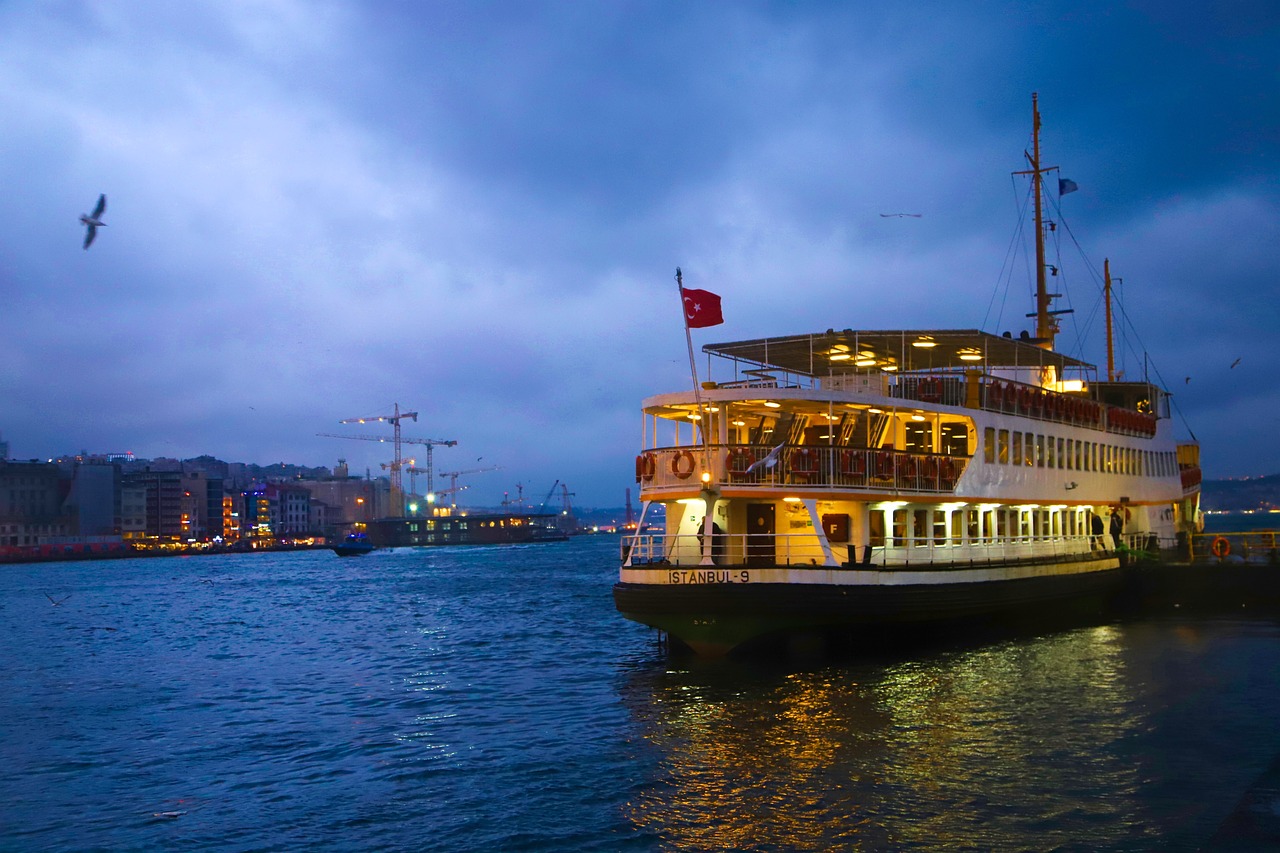
One of the most significant modern developments in Eminönü is the revitalization of the waterfront area along the Golden Horn. This project has transformed the once-neglected spaces into beautifully designed parks and promenades, inviting both locals and tourists to enjoy the stunning views of the water and the city skyline. Imagine sipping a cup of traditional Turkish tea while watching the ferries glide across the water; this is now a daily reality for many. The waterfront is not just a pretty face; it serves as a venue for various cultural events, including art exhibitions, music festivals, and food fairs, making it a lively gathering spot.
Speaking of cultural events, Eminönü hosts an array of festivities that celebrate its diverse heritage. From the Eminönü Food Festival, where local vendors showcase traditional dishes, to the Istanbul Music Festival, which features both local and international artists, there’s always something happening in this vibrant district. These events not only bring people together but also highlight the unique flavors and sounds that define Eminönü. For instance, during the food festival, visitors can indulge in mouth-watering delicacies such as kebabs, baklava, and the famous fish sandwiches from the Galata Bridge area.
To give you a clearer picture of the ongoing cultural initiatives, here’s a quick overview:
| Event | Description | Frequency |
|---|---|---|
| Eminönü Food Festival | A celebration of local cuisine featuring food stalls and cooking demonstrations. | Annual |
| Istanbul Music Festival | A showcase of local and international music acts across various genres. | Annual |
| Art in the Park | A series of outdoor art exhibitions featuring local artists. | Seasonal |
Moreover, the local community plays a crucial role in these developments. Grassroots organizations and cultural groups have emerged, working tirelessly to preserve the district’s heritage while promoting contemporary art and culture. They organize workshops, exhibitions, and performances that engage residents and visitors alike, creating a vibrant tapestry of experiences. Have you ever participated in a local workshop? It’s a fantastic way to connect with the community and learn something new!
In conclusion, the modern developments and cultural events in Eminönü are not just about progress; they are a testament to the district’s commitment to preserving its identity while embracing the future. As you stroll through its streets, you’ll find that every corner tells a story, blending the old with the new in a way that is both exciting and enriching. So, whether you’re a history buff, a foodie, or an art lover, Eminönü has something to offer you. Why not plan your visit and experience this cultural hub for yourself?