
How Eminönü’s Markets Reflect Istanbul’s Diversity
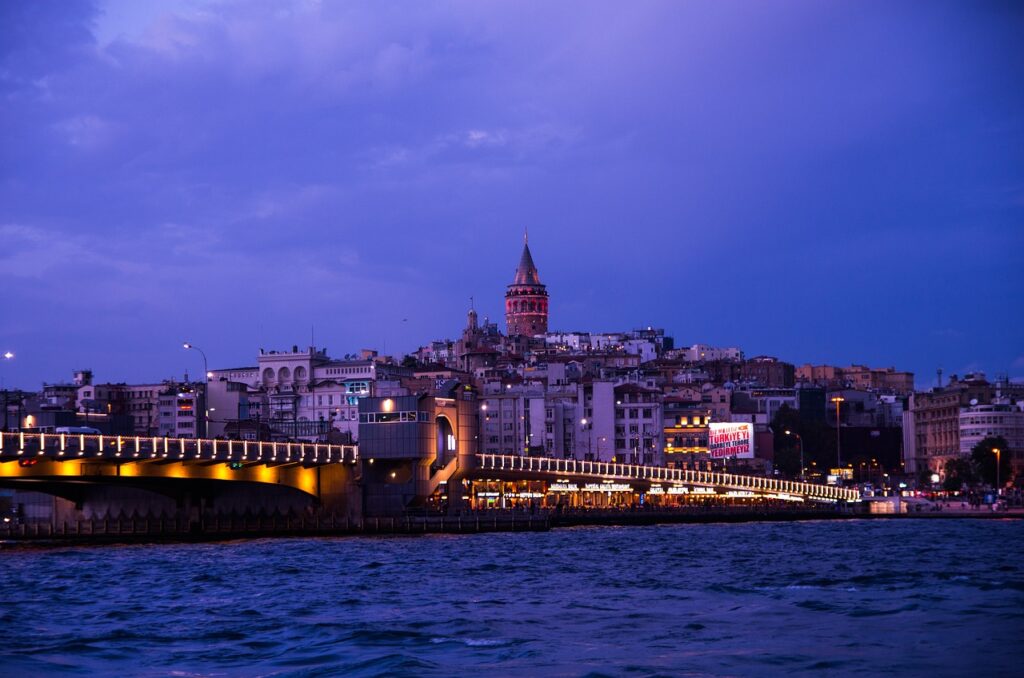
When you stroll through the bustling streets of Eminönü, you’re not just shopping; you’re diving headfirst into a vibrant tapestry of cultures, flavors, and stories. This area, nestled along the shores of the Bosphorus, serves as a melting pot where East meets West, and tradition harmonizes with modernity. The markets here are alive with energy, echoing the sounds of bartering vendors, sizzling street food, and the laughter of locals and tourists alike. Have you ever wondered what makes these markets so special? It’s the diversity they encapsulate, reflecting the rich history and cultural mosaic of Istanbul.
From the moment you enter the markets, your senses are bombarded with an explosion of colors, scents, and sounds. The air is thick with the aroma of spices, the sweetness of baklava, and the savory scent of grilled fish sandwiches from nearby vendors. Each stall tells a story—whether it’s the vibrant textiles from Anatolia, the intricate ceramics that reflect centuries of craftsmanship, or the fresh produce that showcases the region’s agricultural diversity. This sensory overload is what makes Eminönü’s markets a must-visit for anyone looking to truly experience Istanbul.
But it’s not just about the goods; it’s the people behind the stalls that bring these markets to life. Vendors come from various backgrounds, each contributing their unique heritage to the mix. You might find a friendly vendor from the Black Sea region selling homemade pickles, right next to a vendor from Eastern Anatolia offering dried fruits and nuts. This blend of backgrounds creates a community that thrives on interaction and shared experiences. How often do you get to engage with someone whose story is so different from your own, yet so similar in its essence?
Moreover, the markets of Eminönü are a reflection of Istanbul’s historical significance as a trade hub. For centuries, this area has been a crucial point of exchange, where merchants from diverse backgrounds would converge to trade goods. Understanding this historical context enriches your experience as you navigate through the stalls. It’s like walking through a living museum, where each item has a tale to tell—tales of silk routes, spice trades, and cultural exchanges that have shaped the city into what it is today.
As we look at the modern-day experience of Eminönü’s markets, it’s fascinating to see how they continue to evolve. While tradition remains at the heart of these markets, contemporary influences are reshaping the shopping experience. Technology plays a significant role, with many vendors now embracing social media and online platforms to reach a broader audience. This fusion of old and new creates a dynamic atmosphere where you can enjoy a traditional Turkish tea while scrolling through your favorite vendor’s Instagram feed. Isn’t it amazing how the past and present can coexist so beautifully?
In conclusion, Eminönü’s markets are not just places to shop; they are vibrant reflections of Istanbul’s rich diversity. They offer an experience that goes beyond mere transactions, inviting you to connect with the city’s history, culture, and its people. So, next time you find yourself wandering the stalls of Eminönü, take a moment to soak in the atmosphere. Listen to the stories, taste the flavors, and embrace the diversity that makes this market a true gem of Istanbul.
The Cultural Significance of Eminönü Markets
Eminönü’s markets are not just bustling shopping spots; they are the very heartbeat of Istanbul. Walking through these vibrant stalls, you can almost hear the whispers of history echoing around you. Each vendor, each product, tells a story that contributes to the rich tapestry of Istanbul’s culture. These markets serve as a melting pot where locals and tourists converge, creating an atmosphere that celebrates the city’s diversity.
Imagine stepping into a world where the aroma of spices dances in the air, mingling with the scent of freshly baked bread and grilled fish. This sensory experience is what makes Eminönü’s markets a cultural hub. The vendors, often multi-generational families, are not just selling goods; they are sharing their heritage, their traditions, and their passion. This connection to the past is palpable, making every interaction a glimpse into the soul of Istanbul.
Moreover, these markets are a reflection of the city’s historical significance. Eminönü has long been a crossroads of trade, where East meets West. The bustling stalls filled with exotic spices, vibrant textiles, and unique handicrafts showcase the influences of various cultures that have passed through this iconic area. From the Ottoman Empire to modern-day Turkey, the evolution of these markets mirrors the changes in society, making them a living museum of sorts.
The significance of Eminönü’s markets extends beyond mere commerce. They act as social gathering places where people from all walks of life come together. Whether it’s a local haggling for fresh produce or a tourist marveling at the array of goods, the markets foster a sense of community. This communal aspect is vital in a city as vast and diverse as Istanbul, where maintaining connections amidst the hustle and bustle is essential.
To illustrate this, consider the following table that highlights some of the key cultural elements found within Eminönü’s markets:
| Element | Description |
|---|---|
| Spices | Aromatic blends from around the world, showcasing culinary traditions. |
| Textiles | Vibrant fabrics that reflect the artistry and craftsmanship of local artisans. |
| Street Food | Traditional dishes that tell the story of Istanbul’s rich culinary heritage. |
| Artisan Crafts | Handmade goods that preserve cultural practices and support local economies. |
In conclusion, Eminönü’s markets are a vital part of Istanbul’s cultural landscape. They encapsulate the city’s historical journey while fostering a sense of community among its diverse inhabitants. So, whether you’re a local grabbing lunch or a traveler seeking unique souvenirs, these markets offer a window into the heart of Istanbul. The next time you find yourself wandering through Eminönü, take a moment to appreciate the rich stories woven into the fabric of its markets.
Variety of Goods and Vendors
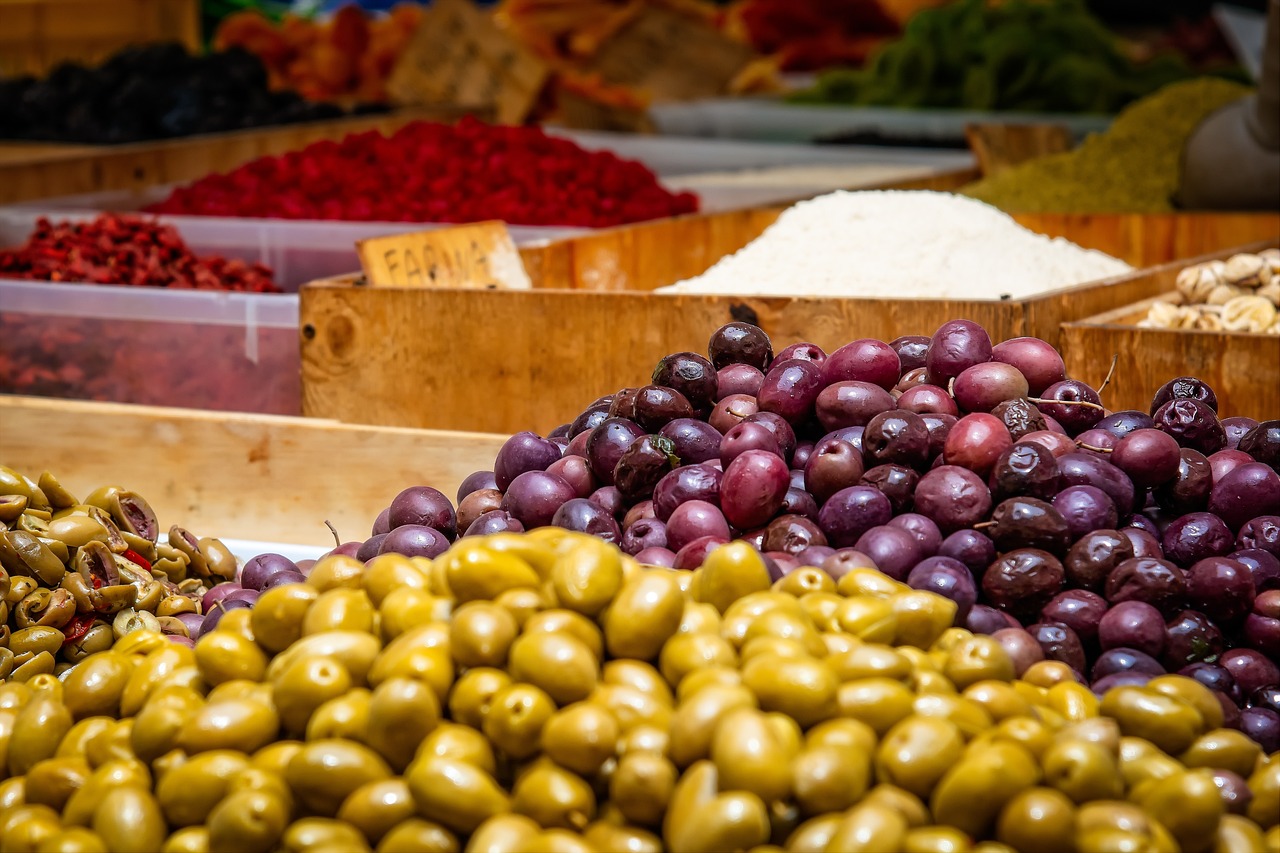
The markets of Eminönü are a sensory overload that truly embodies the multicultural essence of Istanbul. Imagine walking through narrow lanes, where the air is thick with the enticing aroma of spices, the sound of vendors calling out their wares, and the vibrant colors of fruits and textiles vying for your attention. This bustling marketplace is not just a place to shop; it’s a melting pot of cultures and traditions, each stall telling a unique story.
As you wander through the markets, you’ll encounter a plethora of goods that reflect the city’s rich history and diverse influences. From traditional Turkish delights to modern culinary innovations, there’s something for everyone. For instance, you might find:
- Spices: A rainbow of spices fills the air with their fragrant allure, from saffron to sumac, each with its own tale and culinary use.
- Textiles: Handwoven carpets and colorful scarves showcase the artistry of local craftsmen, blending tradition with contemporary designs.
- Street Food: Vendors serve up mouthwatering dishes like balık ekmek (fish sandwich) and kebabs, offering a taste of authentic Turkish cuisine that keeps both locals and tourists coming back for more.
But it’s not just the products that make Eminönü’s markets special; it’s the vendors themselves. Each stall is manned by individuals who are often passionate about their craft, eager to share their knowledge and stories. Many of these vendors have been in the business for generations, passing down their skills and secrets. This personal touch creates an atmosphere of warmth and familiarity that is hard to find in modern shopping environments.
Furthermore, the diversity of the vendors adds another layer to the market experience. You might find a Syrian spice merchant next to a Turkish textile seller, each bringing their unique cultural heritage into the marketplace. This blend of backgrounds not only enriches the shopping experience but also fosters a sense of community and understanding among different cultures. It’s like a live exhibition of Istanbul’s rich cultural tapestry woven together through commerce.
In this vibrant setting, every visit to Eminönü’s markets is an adventure waiting to unfold. Whether you’re a local looking to stock up on essentials or a tourist hunting for unique souvenirs, the markets offer an experience that is both authentic and enlightening. It’s a place where every corner turned reveals something new, and every conversation with a vendor adds to your understanding of this magnificent city.
Historical Context of Eminönü
The historical context of Eminönü is a fascinating tale woven through the fabric of Istanbul’s vibrant past. This bustling district, located on the shores of the Golden Horn, has been a pivotal point for trade and cultural exchange for centuries. Its history dates back to the Byzantine Empire, where it was known as a significant port. Over time, it transformed into a major hub during the Ottoman Empire, serving as a gateway between East and West, which profoundly influenced its markets.
As you wander through the narrow streets of Eminönü, you can almost hear the echoes of merchants from centuries ago, hawking their wares. The spice bazaars and markets have long been a melting pot of cultures, reflecting the diverse influences that have shaped Istanbul. The Grand Bazaar, one of the oldest and largest covered markets in the world, is just a stone’s throw away, reinforcing Eminönü’s role as a commercial epicenter.
Throughout history, Eminönü has been a place where trade routes converged, bringing together not only goods but also ideas and traditions. For instance, spices from the East, textiles from the West, and local delicacies have all found a home in its markets. This rich tapestry of commerce has given rise to a unique cultural identity that is both historical and dynamic.
To further illustrate the significance of Eminönü’s markets, consider the following table that highlights key historical milestones:
| Year | Event |
|---|---|
| 4th Century | Establishment as a port during the Byzantine Empire. |
| 15th Century | Growth as a major trade hub in the Ottoman Empire. |
| 19th Century | Modernization of markets and introduction of new goods. |
| 21st Century | Integration of tourism and technology into the market experience. |
This historical evolution has not only enriched the market’s offerings but also created a sense of community among vendors and shoppers. The vendors in Eminönü are often descendants of families who have been selling their goods for generations, maintaining traditions while also adapting to modern demands. This blend of the old and the new is what makes Eminönü’s markets a living history lesson, where every stall tells a story.
In conclusion, the historical context of Eminönü is not merely a backdrop; it is the very essence of what makes its markets so unique. They are a testament to Istanbul’s ability to embrace change while honoring its past, making every visit a journey through time. So, the next time you’re in Eminönü, take a moment to appreciate the rich history that surrounds you, and remember that each spice, textile, and treat has a story to tell.
Modern Day Experience
The markets of Eminönü have evolved into a fascinating blend of tradition and modernity, creating an experience that is both nostalgic and refreshing. Imagine walking through narrow alleyways filled with the aroma of freshly ground spices, while the chatter of vendors beckons you to explore their wares. This lively atmosphere is enriched by the presence of modern influences that cater to the needs of today’s shoppers. Technology has played a pivotal role in reshaping the market experience, making it easier for visitors to navigate this vibrant space.
With the rise of digital payment options, for instance, the hustle and bustle of cash transactions has been replaced by the convenience of mobile payments. This shift not only speeds up the buying process but also attracts a younger crowd who may have previously felt intimidated by the traditional market setting. Additionally, many vendors have embraced social media to showcase their unique products, allowing them to reach a broader audience beyond the confines of the market. This integration of technology has transformed the way people interact with the markets, making it more accessible and engaging.
Moreover, the blend of local and international influences is palpable in Eminönü’s markets today. Tourists from around the globe flock to this area, eager to experience the authentic flavors of Turkish cuisine. Street food stalls serve up a variety of delicious options, from kebabs to baklava, each bite telling a story of cultural heritage. The markets are not just about shopping; they are about indulging in an experience that tantalizes the senses. Vendors often share the history of their products, creating a narrative that connects customers to the rich tapestry of Istanbul.
As you wander through the market, you might notice a blend of traditional craftsmanship alongside modern artisanal goods. For example, you can find exquisite handwoven textiles that have been passed down through generations, sitting next to contemporary designs that reflect current fashion trends. This juxtaposition showcases the dynamic nature of Istanbul’s culture, where the old and the new coexist harmoniously. It’s a testament to the city’s ability to adapt while staying rooted in its rich history.
To illustrate this modern-day experience, consider the following table that highlights some key elements that define the current atmosphere of Eminönü’s markets:
| Element | Description |
|---|---|
| Technology | Integration of mobile payments and social media marketing. |
| Culinary Diversity | Variety of street food options reflecting local and international tastes. |
| Cultural Fusion | Traditional products alongside modern artisanal goods. |
In summary, the modern-day experience in Eminönü’s markets is a captivating journey that harmonizes the past with the present. Whether you’re a local resident or a curious tourist, there’s something for everyone. The markets not only offer a shopping experience but also an opportunity to engage with Istanbul’s vibrant culture. So the next time you find yourself in this bustling hub, take a moment to appreciate the rich history and modern flair that makes Eminönü’s markets a true reflection of Istanbul’s diversity.