
The Cultural Significance of Eminönü’s Landmarks
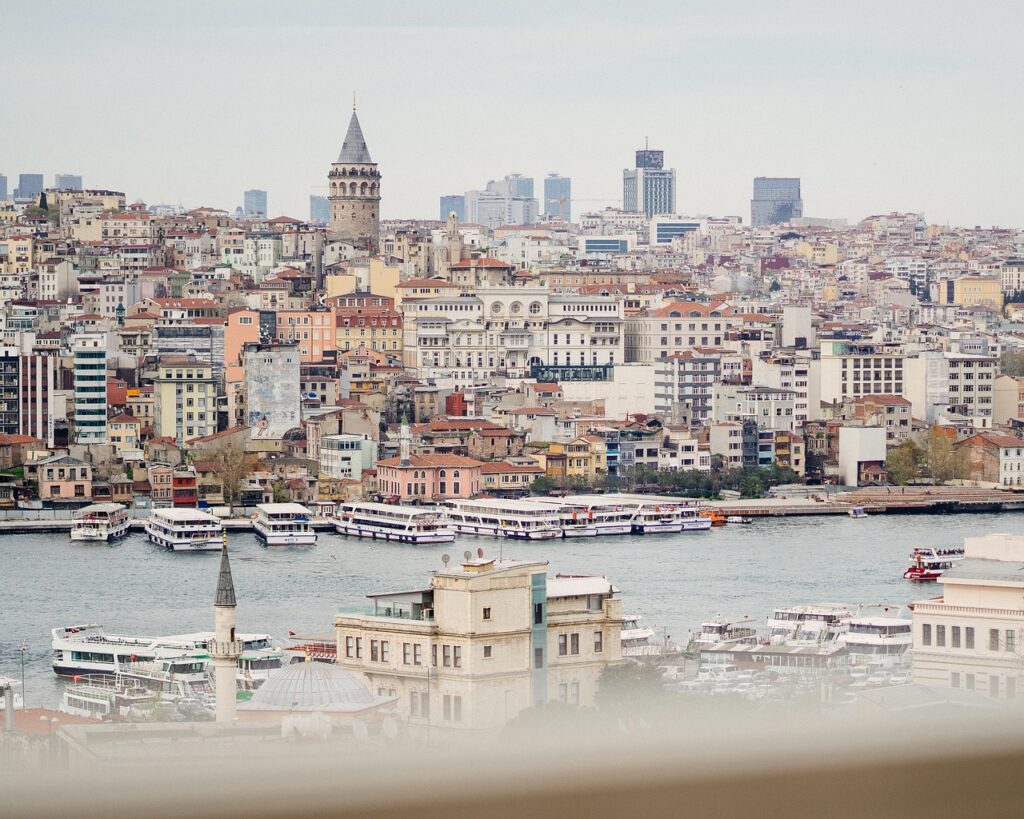
When you think of Eminönü, what comes to mind? Perhaps the bustling markets, the aroma of freshly baked simit, or the mesmerizing sight of the Galata Bridge stretching over the Golden Horn. This vibrant district in Istanbul is not just a hub of activity; it is a treasure trove of cultural heritage that has stood the test of time. Each landmark tells a story, echoing the voices of generations past while continuing to shape the identity of the city today.
Eminönü’s landmarks, such as the iconic New Mosque (Yeni Camii) and the Spice Bazaar, are more than mere attractions; they are symbols of Istanbul’s rich tapestry of history. These sites have witnessed the ebb and flow of empires, the mingling of cultures, and the evolution of a city that bridges East and West. In a way, they are the city’s heartbeat, pulsating with the energy of locals and tourists alike, all drawn to their beauty and significance.
As we walk through Eminönü, it’s impossible not to feel the weight of history pressing down. The New Mosque, with its stunning architecture and intricate tile work, stands as a testament to the Ottoman Empire’s grandeur. Constructed in the 17th century, it not only serves as a place of worship but also as a gathering point for the community. The mosque’s courtyard, often filled with the sounds of children playing and families enjoying the sun, reflects its role as a social hub in modern-day Istanbul.
Then there’s the Spice Bazaar, a sensory overload of colors and scents that transports you back in time. Here, merchants hawk their wares, from exotic spices to handcrafted goods, just as they have for centuries. This vibrant market is not just a place to shop; it is a living museum of commerce and culture, showcasing the culinary diversity that defines Turkish cuisine. The bazaar’s significance extends beyond its historical roots; it is a vital part of the local economy and a point of pride for residents.
But what makes Eminönü’s landmarks truly special is their ability to adapt and thrive in contemporary society. They are not relics of the past but active participants in the city’s ongoing narrative. Events like cultural festivals, art exhibitions, and community gatherings are frequently held at these sites, ensuring that they remain relevant and accessible to all. It’s a beautiful dance between the old and the new, where history informs the present, and the present breathes life into history.
In essence, the cultural significance of Eminönü’s landmarks lies in their multifaceted roles. They are historical monuments, architectural marvels, and community centers all rolled into one. As we continue to explore and appreciate these sites, we not only honor the past but also pave the way for future generations to connect with their heritage. So, the next time you find yourself wandering through Eminönü, take a moment to pause and reflect on the stories these landmarks have to tell. They are, after all, the keepers of Istanbul’s soul.
The Historical Context of Eminönü
Eminönü, a bustling district in the heart of Istanbul, is not just another spot on the map; it’s a vibrant tapestry woven from centuries of history. This area has been a crucial hub for trade and culture since the Byzantine Empire, and its landmarks tell stories that echo through time. Can you imagine walking through a place where every stone has witnessed the rise and fall of empires? That’s the allure of Eminönü.
Historically, Eminönü served as the main port of the city, thriving on maritime trade. The Golden Horn, a natural harbor, facilitated commerce, making it a melting pot of cultures. Merchants from all over the world would gather here, exchanging not just goods but ideas and traditions. This exchange is evident in the architecture and culture that define the area today. For instance, the New Mosque (Yeni Camii), completed in the 17th century, stands as a testament to the Ottoman architectural style, with its grand domes and intricate tile work that reflect the era’s artistic sensibilities.
As we journey through the history of Eminönü, we see how it evolved under various empires. From the Byzantine era, where it was known as Constantinople, to the Ottoman period, Eminönü has always been a significant player in Istanbul’s narrative. The Spice Bazaar (Mısır Çarşısı), built in the 17th century, is another landmark that highlights the area’s historical importance. It was designed to provide income for the adjacent New Mosque and quickly became a thriving center for spices, herbs, and other goods from the East. Today, it remains a sensory delight, attracting visitors with its vibrant stalls and rich aromas.
Moreover, Eminönü’s historical context is not just about the past; it shapes the present. The Galata Bridge, connecting Eminönü to the Galata district, has been a vital link for locals and tourists alike. It’s fascinating to think that this bridge has seen countless fishermen casting their lines while families enjoy leisurely strolls, all against the backdrop of Istanbul’s stunning skyline.
In summary, Eminönü is more than just a collection of buildings; it’s a living museum. The historical significance of its landmarks provides a glimpse into the lives of those who walked these streets before us. As we explore these sites, we can appreciate not only their architectural beauty but also their roles in shaping the cultural and social fabric of Istanbul. So next time you find yourself in Eminönü, take a moment to reflect on the history that surrounds you. It’s a reminder of how the past continually influences our present and future.

Architectural Wonders of Eminönü
Eminönü is a treasure trove of architectural wonders that narrate the tale of Istanbul’s rich history. Each landmark stands as a testament to the city’s evolution, embodying the fusion of different cultures and artistic styles that have graced this vibrant metropolis. From the majestic New Mosque to the iconic Spice Bazaar, these structures not only serve aesthetic purposes but also reflect the socio-political dynamics of their respective eras.
Take, for instance, the New Mosque (Yeni Valide Mosque), an architectural gem completed in the 17th century. Its stunning domes and intricate tile work are a sight to behold. The mosque’s grand entrance, adorned with beautiful calligraphy and marble, invites visitors into a space that has witnessed centuries of prayers and communal gatherings. The courtyard is equally impressive, providing a serene escape amidst the bustling city. Here, one can almost feel the whispers of history echoing through the arches.
Another remarkable site is the Spice Bazaar, or Egyptian Bazaar, which dates back to the 1660s. This bustling marketplace is a feast for the senses, filled with the vibrant colors and intoxicating aromas of spices, dried fruits, and sweets. The bazaar’s architecture, with its vaulted ceilings and arched entrances, creates a sense of grandeur that complements the lively atmosphere. It serves as a reminder of Istanbul’s role as a crucial trade hub, linking East and West through commerce.
Moreover, the Galata Bridge, connecting Eminönü to the Galata district, is not just a functional structure but an architectural icon. The bridge’s design has evolved over the years, with the current iteration featuring a modern steel structure that contrasts beautifully with the historical skyline of the city. It’s a popular spot for both locals and tourists to fish, stroll, and enjoy breathtaking views of the Golden Horn. The bridge symbolizes the connection between different cultures and communities, much like Istanbul itself.
In examining these landmarks, one cannot overlook the architectural styles that characterize Eminönü. The blend of Ottoman, Byzantine, and even modern influences creates a unique tapestry that is visually stunning. For example, the intricate tile work of the mosques showcases the Ottoman artistry, while the structural elements of the Spice Bazaar reveal influences from Byzantine architecture. This rich amalgamation is what makes Eminönü a living museum of architectural history.
To summarize the architectural significance of Eminönü, here’s a quick overview:
| Landmark | Construction Year | Architectural Style |
|---|---|---|
| New Mosque | 1665 | Ottoman |
| Spice Bazaar | 1664 | Ottoman |
| Galata Bridge | Current version: 1994 | Modern Steel |
In conclusion, the architectural wonders of Eminönü are not just buildings; they are the stories of a city that has stood the test of time. Each structure invites us to explore its history, appreciate its beauty, and understand the cultural significance it holds in the heart of Istanbul. Whether you’re an architecture enthusiast or a curious traveler, Eminönü promises an unforgettable journey through the ages.
Modern-Day Significance
The landmarks of Eminönü are not just remnants of the past; they are vibrant cultural hubs that play a crucial role in the fabric of contemporary Istanbul. Imagine walking through the bustling streets, where the sounds of vendors, the aroma of freshly baked simit, and the sight of locals and tourists alike create a lively atmosphere. These landmarks serve as a backdrop for daily life, intertwining history with modernity in a way that is both enriching and engaging.
One of the most notable aspects of Eminönü’s landmarks is their ability to attract diverse crowds. From the stunning Galata Bridge to the historic Spice Bazaar, these sites are not just tourist magnets; they are places where locals gather to socialize, shop, and celebrate. This blending of cultures and generations fosters a sense of community, making Eminönü a microcosm of Istanbul itself. People from all walks of life come together here, creating a vibrant tapestry of interactions that reflect the city’s rich heritage.
Moreover, these landmarks are instrumental in preserving the local identity. They serve as reminders of the city’s storied past while simultaneously adapting to contemporary needs. For instance, the Süleymaniye Mosque stands as a testament to the grandeur of the Ottoman Empire, yet it functions as an active place of worship and a center for cultural events today. This duality is what makes Eminönü’s landmarks so significant; they are living entities that evolve while honoring their historical roots.
Let’s not forget the economic impact these sites have on the community. The influx of tourists contributes to local businesses, from artisanal shops to traditional eateries. This economic boost is vital for the residents, as it creates jobs and sustains local crafts. In fact, many small business owners in Eminönü rely heavily on the foot traffic generated by these iconic landmarks. The symbiotic relationship between culture and commerce here is a perfect example of how history can continue to benefit society.
In addition to their economic contributions, these landmarks also play a pivotal role in education and awareness. Schools often organize field trips to places like the New Mosque and the nearby Galata Tower, allowing students to connect with their heritage. This educational aspect is essential for fostering a sense of pride and understanding of Istanbul’s diverse history among younger generations. By engaging with these sites, students learn not just about architecture but also about the stories and people that shaped their city.
In summary, the modern-day significance of Eminönü’s landmarks is multifaceted. They are not merely historical sites; they are dynamic spaces that enhance community life, contribute to the economy, and educate future generations. The importance of these landmarks cannot be overstated, as they embody the spirit of Istanbul—an ever-evolving city where the past and present coexist harmoniously.
Preservation Efforts and Challenges
In the heart of Istanbul, Eminönü stands as a testament to the city’s rich history and cultural diversity. However, with its historical landmarks under constant threat from urbanization and modernization, the preservation of these sites has become a pressing issue. The challenge lies not just in maintaining the physical structures, but also in preserving the stories and traditions that they embody. As we delve into the preservation efforts, it’s essential to recognize the delicate balance between development and heritage conservation.
One of the most significant challenges faced by preservationists is the rapid urban development that often prioritizes commercial interests over historical integrity. Eminönü, being a bustling district, sees a constant influx of tourists and locals alike, which can lead to wear and tear on its iconic landmarks. To combat this, several organizations and government bodies have stepped up to implement preservation initiatives. These efforts include:
- Restoration Projects: Regular maintenance and restoration work is conducted to ensure that buildings like the New Mosque and Galata Bridge retain their original charm while meeting modern safety standards.
- Community Engagement: Local communities are encouraged to participate in preservation efforts through workshops and educational programs, fostering a sense of ownership and pride in their heritage.
- Legislation: The Turkish government has enacted laws aimed at protecting historical sites, but enforcement remains a challenge, especially in areas where commercial interests clash with conservation goals.
Moreover, the role of technology in preservation cannot be overlooked. Advanced techniques such as 3D scanning and digital mapping are being employed to document the current state of these landmarks. This data helps in planning restoration efforts and can even serve as a digital archive for future generations. However, the financial aspect of these projects often poses a significant hurdle. Funding for preservation can be limited, and many initiatives rely on donations or government grants, which may not always be guaranteed.
Another pressing concern is the impact of climate change. Rising sea levels and increased rainfall threaten the structural integrity of Eminönü’s waterfront landmarks. As a result, preservationists are now advocating for sustainable practices that not only protect these sites but also promote environmental responsibility. This includes implementing green spaces around historical areas and using eco-friendly materials in restoration efforts.
In conclusion, while the preservation of Eminönü’s landmarks faces numerous challenges, the combined efforts of local communities, government bodies, and technology offer a glimmer of hope. By prioritizing these initiatives, we can ensure that future generations will not only visit these iconic sites but will also appreciate the rich tapestry of history and culture they represent. The journey of preservation is ongoing, and it requires a collective commitment to safeguard the past while embracing the future.